
10 Powerful Ways Fungi Contribute to Nutrient Cycling in Nature
Fungi play a fundamental role in maintaining healthy ecosystems by contributing to nutrient cycling. Without fungi, nutrients would remain trapped within dead organic material, making it difficult for plants and other organisms to access the resources needed for growth and survival.
As nature’s primary decomposers, fungi help recycle essential nutrients and ensure that ecosystems continue functioning efficiently. Understanding how fungi contribute to nutrient cycling is important for students, researchers, and anyone interested in environmental science and mycology.
If you are new to fungal science, start with our guide on What Is Mycology?.
What Is Nutrient Cycling?
Nutrient cycling refers to the movement and exchange of nutrients through living organisms, soil, water, and the atmosphere.
Essential nutrients such as carbon, nitrogen, phosphorus, and potassium are continuously recycled throughout ecosystems, supporting plant growth and ecological stability.
Fungi play a critical role in keeping this cycle active.
1. Breaking Down Organic Matter
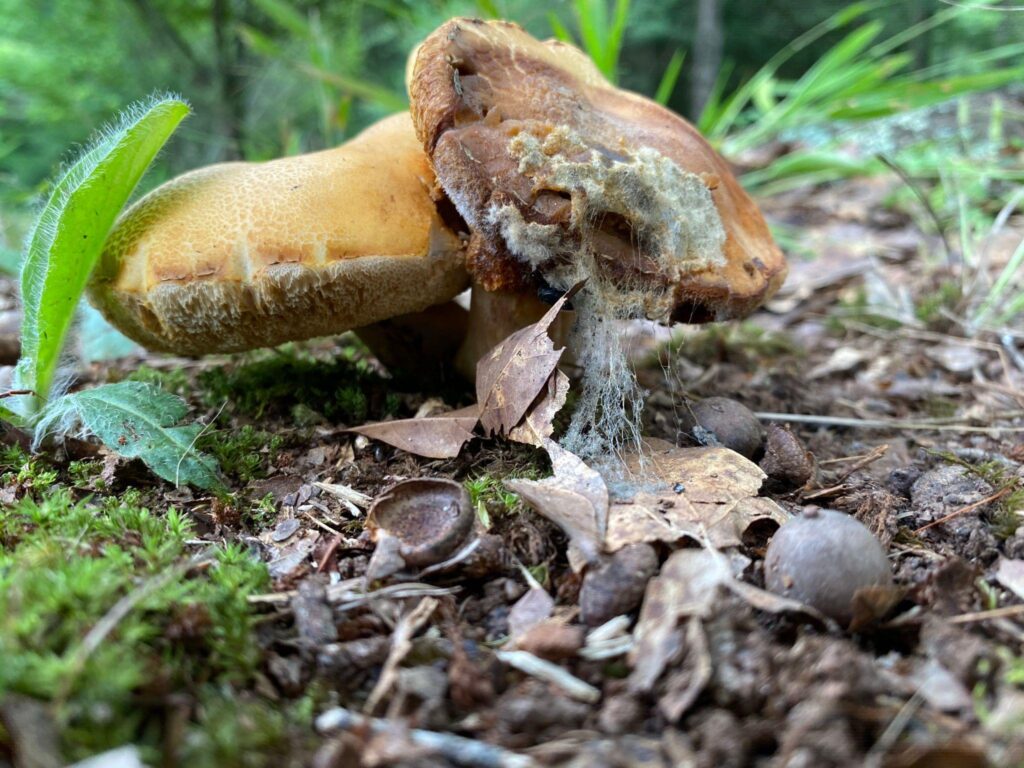
One of the most important functions of fungi is decomposition.
Fungi break down:
- Fallen leaves
- Dead trees
- Plant debris
- Organic waste
- Animal remains
Without decomposition, ecosystems would quickly become overwhelmed by accumulated organic material.
2. Releasing Nutrients Back into the Soil
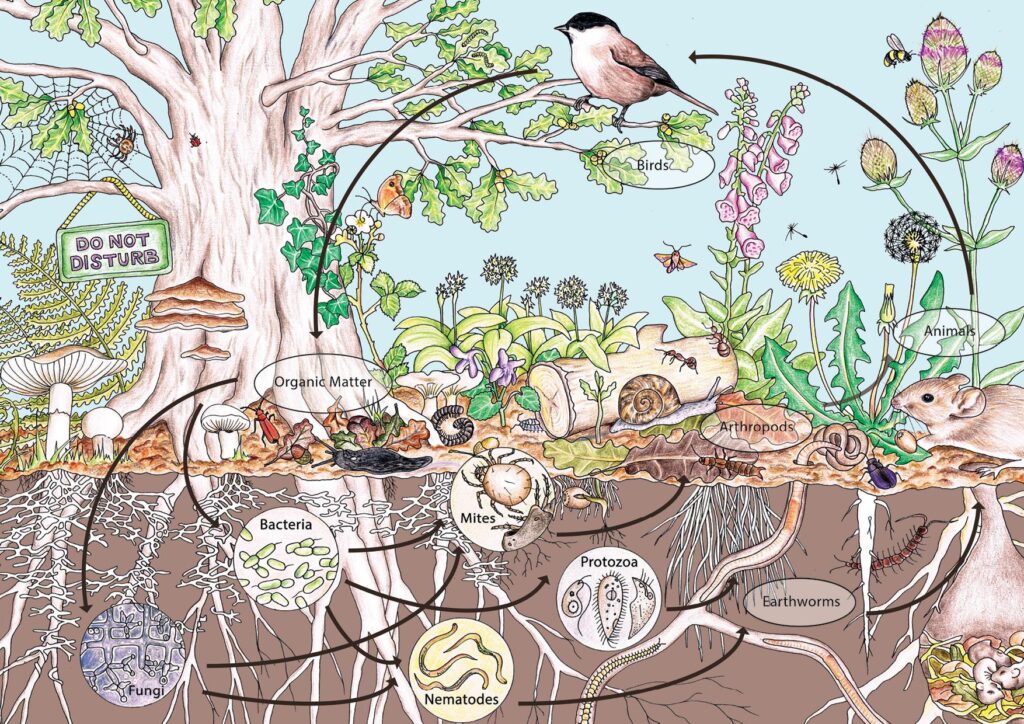
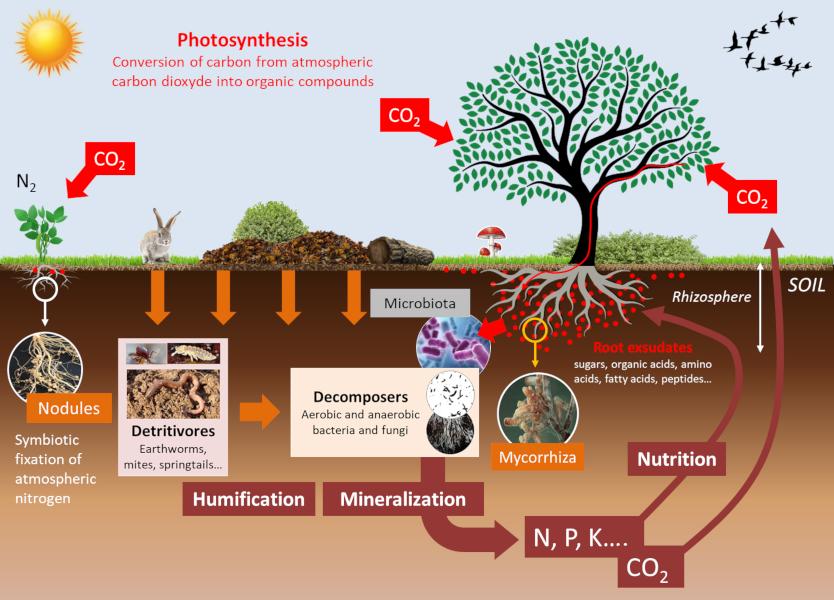
As fungi decompose organic matter, nutrients are released into the soil where they become available for plants and microorganisms.
This process improves soil fertility and promotes healthy ecosystem development.
3. Supporting Plant Growth
Plants depend on nutrients recycled by fungi.
Through nutrient cycling, fungi help ensure that plants have access to essential minerals needed for growth and development.
4. Improving Soil Structure
Fungal networks help bind soil particles together, improving:
- Soil stability
- Water retention
- Aeration
- Nutrient distribution
Healthy soil supports stronger plant communities and greater biodiversity.
5. Contributing to Carbon Cycling
Fungi play a major role in the global carbon cycle.
By decomposing organic matter, fungi help move carbon through ecosystems and contribute to long-term environmental balance.
6. Supporting Mycorrhizal Relationships
Many fungi form beneficial partnerships with plants through mycorrhizal relationships.
Learn more in our article on 7 Amazing Ways Mycorrhizal Relationships Help Plants Thrive.
These relationships improve nutrient exchange and strengthen ecosystem health.
7. Encouraging Biodiversity
Healthy fungal communities support diverse ecosystems by creating conditions that benefit plants, animals, and microorganisms.
Greater biodiversity often leads to stronger and more resilient ecosystems.
8. Reducing Organic Waste Accumulation
Without fungi, dead organic material would accumulate rapidly.
Decomposition helps keep ecosystems balanced and prevents excessive organic waste buildup.
9. Supporting Ecosystem Recovery
Fungi often play a key role in ecosystem restoration and recovery following natural disturbances.
Their ability to recycle nutrients helps establish conditions that support new growth.
10. Maintaining Ecological Balance
Through decomposition, nutrient release, and soil improvement, fungi help maintain ecological balance across forests, grasslands, wetlands, and other environments.
Their contribution is essential for long-term environmental sustainability.
Why Nutrient Cycling Matters
Nutrient cycling affects nearly every aspect of ecosystem health.
Benefits include:
- Improved soil fertility
- Increased plant productivity
- Better water retention
- Greater biodiversity
- Enhanced ecosystem stability
To understand how fungi support healthy ecosystems, read our article on Why Fungi Are Important to Healthy Ecosystems.
Frequently Asked Questions
What is nutrient cycling?
Nutrient cycling is the process by which nutrients move through ecosystems and are reused by living organisms.
Why are fungi important for nutrient cycling?
Fungi break down organic matter and release nutrients back into the environment where they can be reused.
How do fungi improve soil health?
Fungi improve soil structure, increase nutrient availability, and support healthy plant growth.
What would happen without fungi?
Without fungi, ecosystems would struggle to recycle nutrients and maintain ecological balance.
Conclusion
Fungi are among the most important contributors to nutrient cycling in nature. Their ability to decompose organic matter, recycle nutrients, improve soil health, and support biodiversity makes them essential for ecosystem sustainability.
For more educational resources, visit: https://shroomworld.co.uk/ Product Categories: https://shroomworld.co.uk/product-categories/ What Is Mycology: https://shroomworld.co.uk/what-is-mycology/ Why Fungi are Important: https://shroomworld.co.uk/why-fungi-are-important/ Mycorrhizal Relationships:https://shroomworld.co.uk/mycorrhizal-relationships/ for additional information and learning opportunities.
order products directly Shroom World and explore our Product Categories page