10 Common Types of Fungi Found Around the World
Fungi are among the most diverse organisms on Earth. They can be found in forests, grasslands, deserts, wetlands, and even urban environments. Scientists estimate that millions of fungal species exist worldwide, although only a fraction have been formally identified and studied.
Understanding the different types of fungi helps researchers, students, and nature enthusiasts appreciate the remarkable diversity and ecological importance of the fungal kingdom.
If you’re new to fungal science, begin with our guide on What Is Mycology?.
What Are Fungi?
Fungi belong to their own biological kingdom and differ from plants, animals, and bacteria. They obtain nutrients by absorbing organic matter from their surroundings and play essential roles in nutrient cycling, decomposition, and ecosystem health.
Fungi exist in many forms, ranging from microscopic organisms to large visible fruiting bodies.
1. Mushrooms
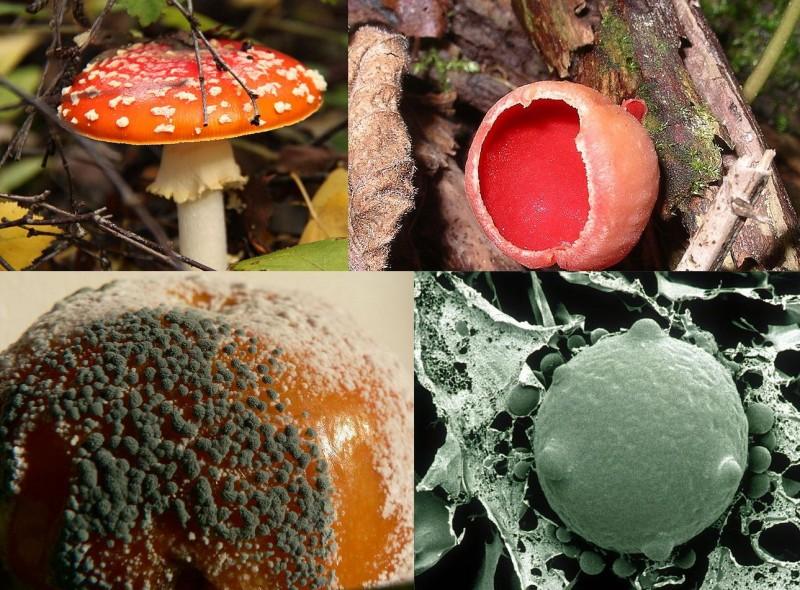
Mushrooms are among the most recognizable types of fungi. They are the visible reproductive structures produced by certain fungal species.
Mushrooms contribute to nutrient recycling and biodiversity in ecosystems around the world.
2. Yeasts
Yeasts are microscopic fungi that consist of single cells.
Researchers study yeasts extensively because of their importance in biological research, environmental science, and industrial processes.
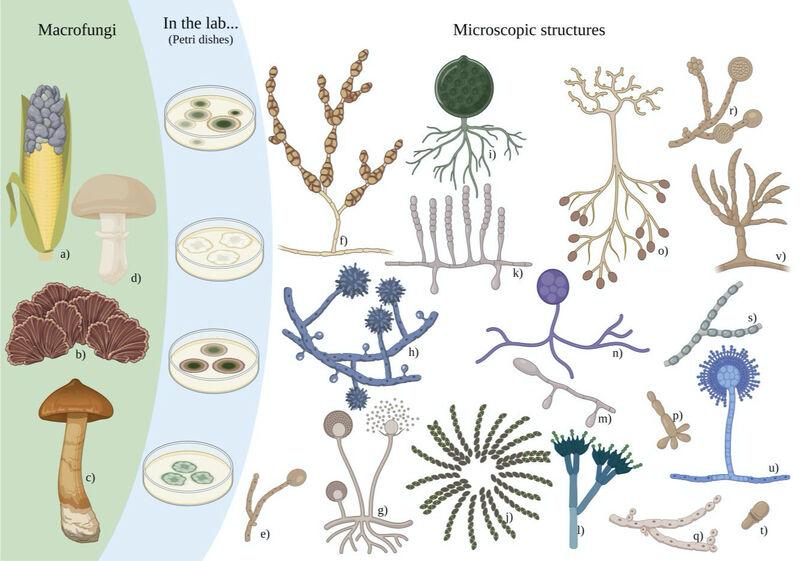
3. Moulds
Moulds are filamentous fungi that grow as networks of microscopic threads called hyphae.
They are commonly found in soil, organic matter, and natural environments where decomposition occurs.
4. Mycorrhizal Fungi
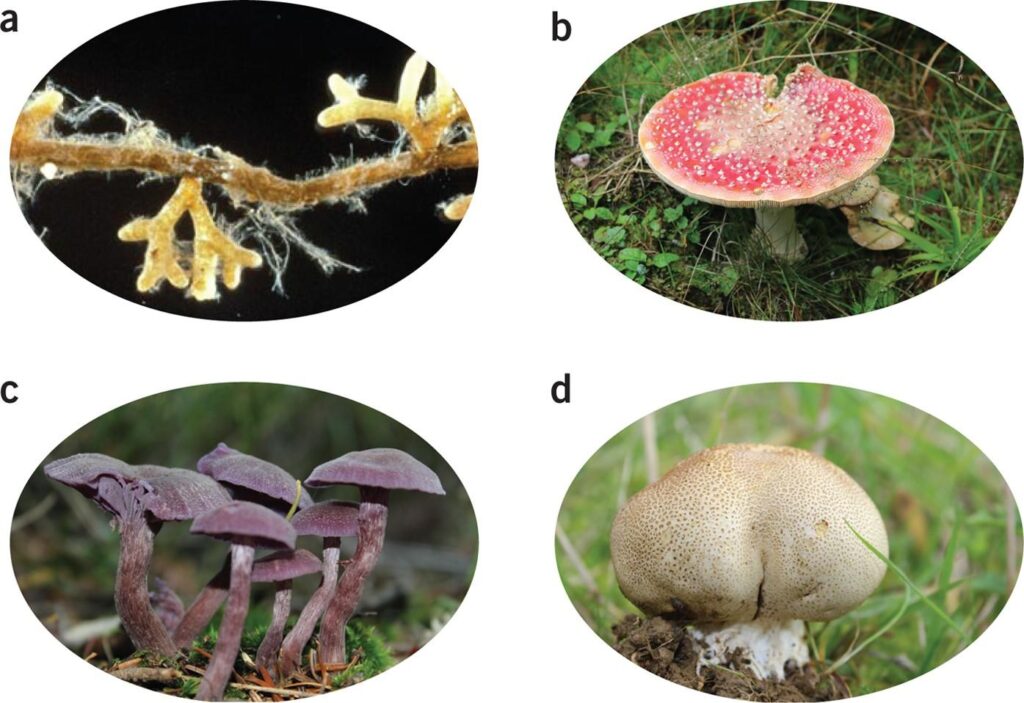
Mycorrhizal fungi form beneficial partnerships with plant roots.
These relationships help plants absorb nutrients and water more efficiently while supporting healthy ecosystems.
Learn more in our article on 7 Amazing Ways Mycorrhizal Relationships Help Plants Thrive.
5. Decomposer Fungi
Decomposer fungi play a crucial role in breaking down dead organic material.
Without decomposers, nutrients would remain locked within plant and animal remains, disrupting ecosystem function.
6. Lichen-Forming Fungi
Some fungi form partnerships with algae or cyanobacteria to create structures known as lichens.
Lichens are important indicators of environmental conditions and can be found in diverse habitats worldwide.
7. Aquatic Fungi
Aquatic fungi live in freshwater and marine environments.
These fungi contribute to nutrient cycling and help decompose organic matter within aquatic ecosystems.
8. Endophytic Fungi
Endophytic fungi live inside plant tissues without causing harm.
Researchers continue to study these fungi to better understand their ecological roles and interactions with plants.
9. Parasitic Fungi
Parasitic fungi obtain nutrients from living organisms.
While some species can affect plants, animals, or other fungi, they also contribute to ecosystem dynamics and population regulation.
10. Soil Fungi
Soil fungi are essential contributors to healthy ecosystems.
They improve soil structure, support plant growth, and participate in nutrient cycling processes that sustain biodiversity.
Why Fungal Diversity Matters
Fungal diversity contributes to:
- Nutrient recycling
- Soil health
- Biodiversity
- Ecosystem stability
- Environmental resilience
Healthy ecosystems often depend on diverse fungal communities to function effectively.
To learn more about ecosystem roles, read our article on Why Fungi Are Important to Healthy Ecosystems.
Frequently Asked Questions
How many types of fungi exist?
Scientists estimate that millions of fungal species may exist worldwide, although only a portion have been formally identified.
What is the most common type of fungus?
Different fungal groups are common in different environments, including moulds, yeasts, mushrooms, and soil fungi.
Why are fungi important?
Fungi support nutrient cycling, biodiversity, decomposition, and ecosystem stability.
Where can fungi be found?
Fungi occur in nearly every habitat on Earth, including forests, grasslands, wetlands, deserts, and aquatic environments.
Conclusion
The fungal kingdom is incredibly diverse and plays a vital role in maintaining healthy ecosystems. From mushrooms and yeasts to aquatic fungi and mycorrhizal partnerships, fungi contribute to biodiversity, nutrient cycling, and environmental sustainability.
For more educational resources, visit: https://shroomworld.co.uk/ Product Categories: https://shroomworld.co.uk/product-categories/ What Is Mycology: https://shroomworld.co.uk/what-is-mycology/ Why Fungi are Important: https://shroomworld.co.uk/why-fungi-are-important/ Mycorrhizal Relationships:https://shroomworld.co.uk/mycorrhizal-relationships/ for additional information and learning opportunities.
order products directly Shroom World and explore our Product Categories page