
7 Amazing Ways Mycorrhizal Relationships Help Plants Thrive
Nature is filled with remarkable partnerships, but few are as important as mycorrhizal relationships. These beneficial associations between fungi and plant roots play a crucial role in supporting healthy ecosystems, improving plant growth, and maintaining soil health.
Scientists estimate that the majority of plant species on Earth rely on some form of mycorrhizal relationship to survive and thrive. Understanding these partnerships helps researchers better appreciate the hidden networks that support life beneath our feet.
If you’re new to fungal science, start by reading our guide on What Is Mycology?.
What Are Mycorrhizal Relationships?
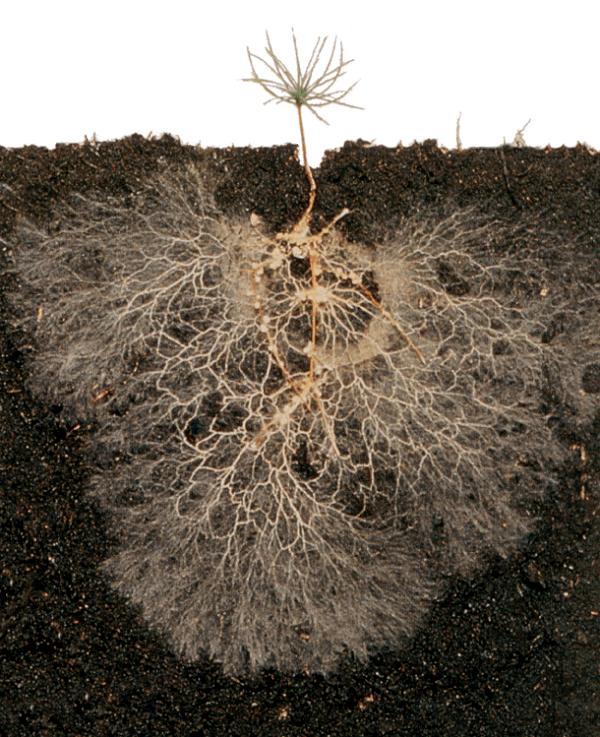
A mycorrhizal relationship is a mutually beneficial partnership between fungi and plant roots.
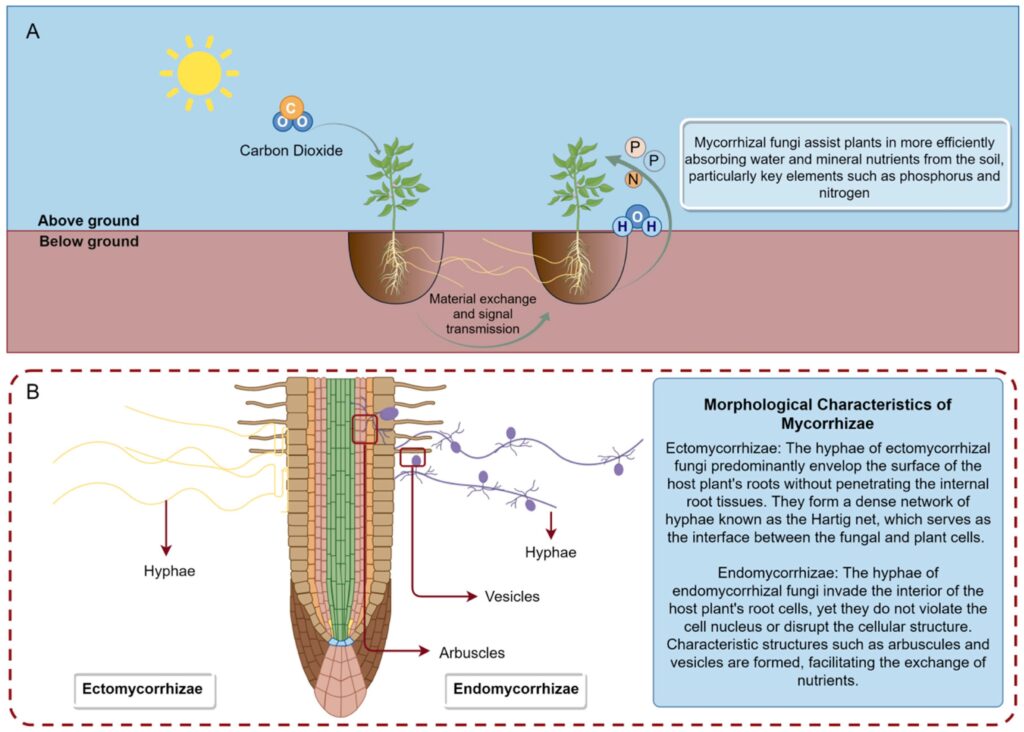
The fungi extend their thread-like structures, known as hyphae, into the soil where they absorb water and nutrients. In return, plants provide the fungi with sugars produced through photosynthesis.
This exchange benefits both organisms and contributes to healthier ecosystems.
1. Improving Nutrient Absorption
One of the most important benefits of mycorrhizal fungi is their ability to improve nutrient uptake.
The fungal network can reach areas of soil that plant roots cannot access easily, helping plants absorb:
- Phosphorus
- Nitrogen
- Potassium
- Micronutrients
This allows plants to grow more efficiently even in nutrient-poor soils.
2. Supporting Healthy Soil
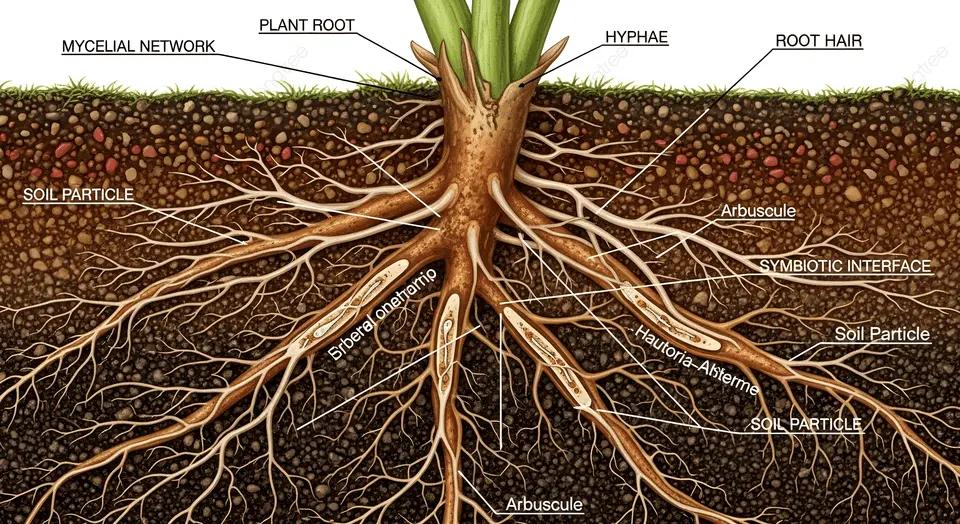
Mycorrhizal fungi contribute significantly to soil structure.
Their networks help bind soil particles together, improving:
- Soil stability
- Water retention
- Aeration
- Nutrient availability
Healthy soil creates better conditions for plant growth and ecosystem development.
3. Enhancing Water Uptake
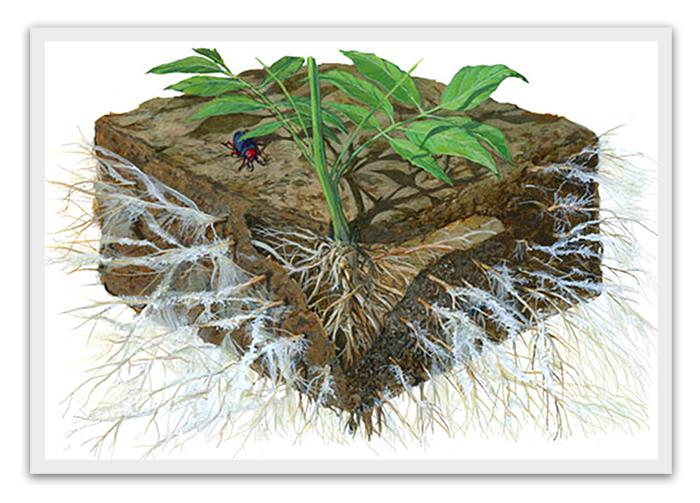
The extensive fungal network acts as an extension of the plant’s root system.
This helps plants access water from a larger area of soil, improving drought tolerance and resilience during dry conditions.
4. Increasing Plant Resistance
Research suggests that mycorrhizal partnerships may help plants better withstand environmental stress.
Healthier plants are often more capable of adapting to changes in environmental conditions.
5. Supporting Biodiversity
Mycorrhizal fungi help maintain biodiversity by supporting a wide variety of plant species.
Healthy plant communities provide food and habitat for countless organisms throughout the ecosystem.
Learn more about ecosystem support in our article on Why Fungi Are Important to Healthy Ecosystems.
6. Connecting Plant Communities
Some fungal networks connect multiple plants through underground pathways.
Researchers continue to study how these networks influence nutrient movement and ecosystem interactions.
These connections demonstrate the complexity of relationships within natural environments.
7. Strengthening Ecosystem Stability
By supporting plant health, soil quality, and biodiversity, mycorrhizal fungi contribute to long-term ecosystem stability.
Their role is essential in forests, grasslands, agricultural systems, and many other environments.
Frequently Asked Questions
What is a mycorrhizal relationship?
A beneficial partnership between fungi and plant roots where both organisms exchange resources.
Why are mycorrhizal fungi important?
They help plants absorb nutrients, improve soil health, and support ecosystem stability.
Do all plants form mycorrhizal relationships?
Many plant species do, although the specific type of relationship varies.
How do fungi help plant growth?
Fungi improve nutrient and water absorption while contributing to healthier soil conditions.
Conclusion
Mycorrhizal relationships are among the most important biological partnerships in nature. By helping plants access nutrients, improve soil quality, and strengthen ecosystem health, fungi contribute significantly to life on Earth.
To explore more educational resources, visit Shroom World and browse our Product Categories page for additional learning opportunities.
order products directly Shroom World and explore our Product Categories page