A Beginner’s Guide to Mushroom Spores
Mushroom spores are one of the most fascinating and important components of fungal biology. Although they are microscopic and often invisible to the naked eye, spores play a crucial role in the reproduction, survival, and spread of fungal species throughout the world.
Understanding mushroom spores is an important step for anyone interested in mycology, fungal ecology, and the life cycle of fungi. These tiny reproductive structures allow fungi to colonize new environments and maintain healthy populations across diverse ecosystems.
If you’re new to fungal science, start by reading our guide on What Is Mycology? to understand the broader field of fungal research.
What Are Mushroom Spores?
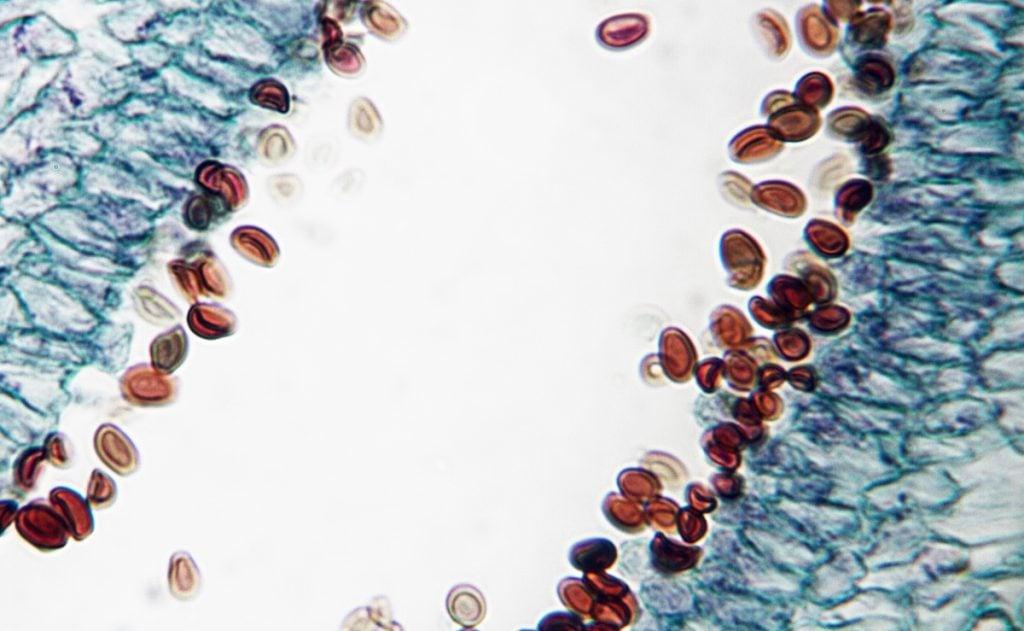
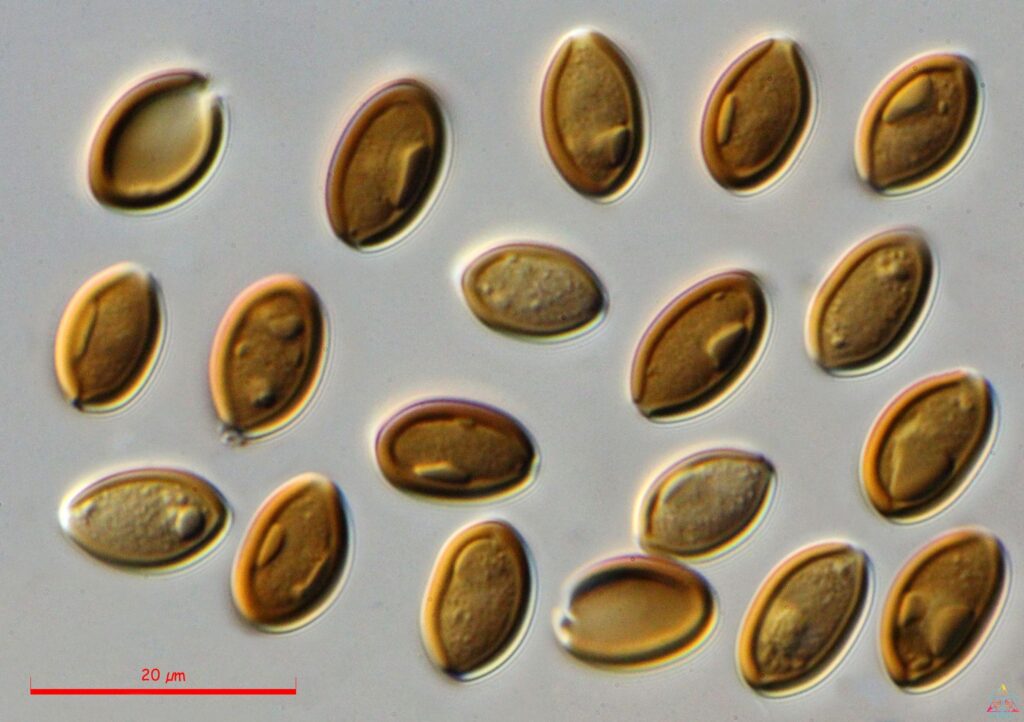
Spores are microscopic reproductive units produced by fungi. They function in a similar way to seeds in plants, allowing fungal species to reproduce and spread to new locations.
Unlike seeds, spores contain fewer stored nutrients and rely on suitable environmental conditions for successful germination and growth.
Millions of spores can be produced by a single fungal organism, increasing the chances of successful reproduction.
Why Are Mushroom Spores Important?
Without spores, fungi would be unable to reproduce effectively or establish new populations.
Spores allow fungi to:
- Reproduce successfully
- Spread across large distances
- Colonize new habitats
- Adapt to changing environments
- Maintain genetic diversity
This reproductive strategy has helped fungi become one of the most successful groups of organisms on Earth.
How Mushroom Spores Are Produced
Spores are produced within specialized reproductive structures found on fungal fruiting bodies.
Depending on the species, spores may develop on:
Gills
Many fungi produce spores on thin structures called gills located beneath the fruiting body.
Pores
Some fungi release spores through tiny pores rather than gills.
Specialized Surfaces
Other fungal species use unique reproductive structures specifically adapted for spore production and dispersal.
How Mushroom Spores Spread
Once mature, spores are released into the environment.
They can be transported by:
- Wind currents
- Water movement
- Animals
- Insects
- Human activity
This process allows fungi to reach new environments where growth conditions may be favourable.
To learn more about fungal growth and reproduction, read our article on The Life Cycle of Fungi Explained.
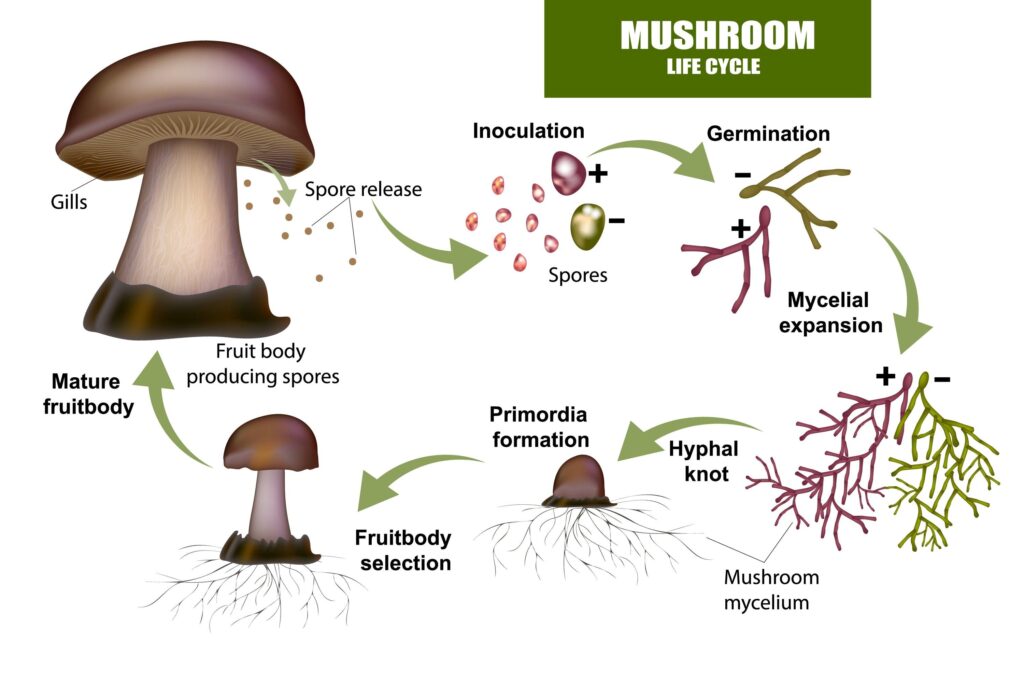
Spore Germination
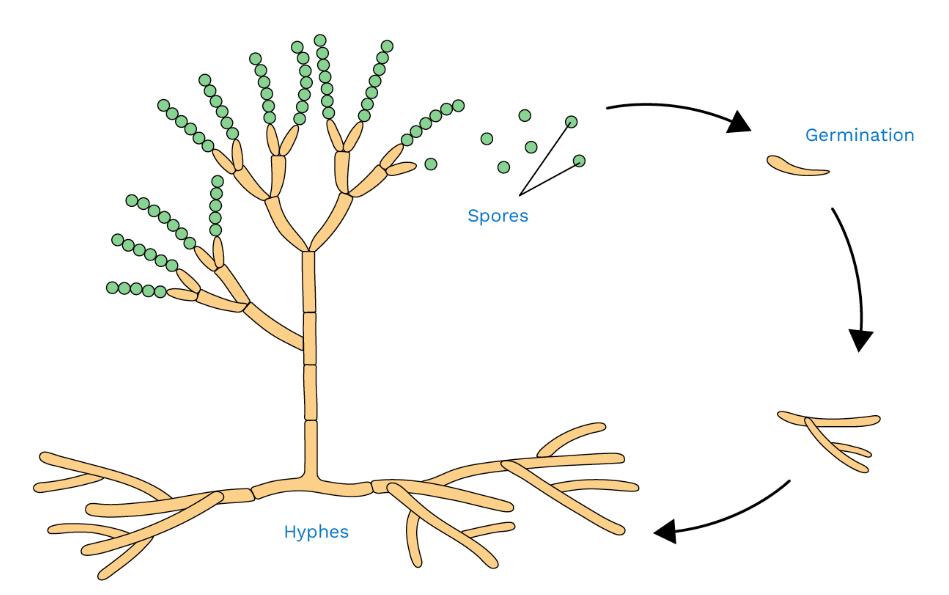
When spores encounter suitable conditions, they begin the germination process.
Several factors influence successful germination:
Moisture
Water is essential for activating fungal growth processes.
Temperature
Different fungal species thrive within different temperature ranges.
Nutrient Availability
Organic material provides the resources required for growth and development.
After germination, spores develop thread-like structures known as hyphae, which eventually form a mycelial network.
Mushroom Spores and Biodiversity
Fungal spores contribute significantly to biodiversity and ecosystem stability.
By spreading fungal species throughout different habitats, spores support:
- Nutrient recycling
- Soil health
- Ecological balance
- Plant-fungal relationships
- Environmental resilience
Healthy fungal populations often indicate healthy ecosystems.
Scientific Research and Mushroom Spores
Researchers study spores to better understand fungal biology, genetics, ecology, and environmental processes.
Spore analysis can provide valuable insights into:
- Species identification
- Ecosystem health
- Biodiversity monitoring
- Environmental change
For a deeper understanding of ecological relationships, read our article on Understanding Fungal Ecology and Its Role in Nature.
Frequently Asked Questions
What are mushroom spores?
Mushroom spores are microscopic reproductive structures that allow fungi to reproduce and spread.
Can spores be seen without a microscope?
Individual spores are generally too small to be seen with the naked eye, although large groups of spores may be visible as coloured deposits.
Why are spores important?
Spores allow fungi to reproduce, spread, and maintain healthy populations.
How do spores travel?
Spores may be dispersed by wind, water, animals, insects, and other environmental factors.
Conclusion
Mushroom spores are essential to the survival and reproduction of fungi. Although microscopic, they play a critical role in fungal ecology, biodiversity, and ecosystem health.
By understanding how spores function, researchers and enthusiasts can gain valuable insights into the fascinating world of fungi and the processes that sustain life in natural environments.
To purchase products, visit Shroom World and browse our Product Categories for more information.