
Why Fungi Are Important to Healthy Ecosystems
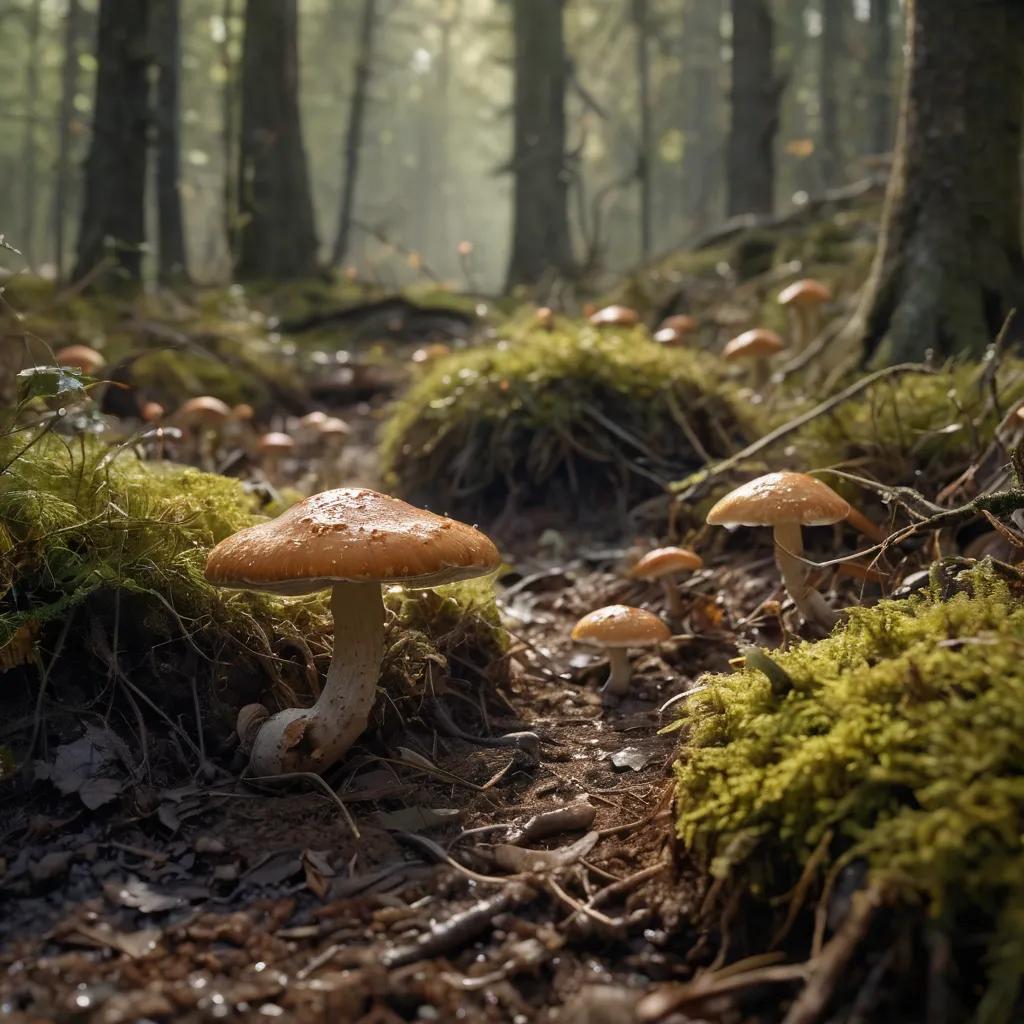
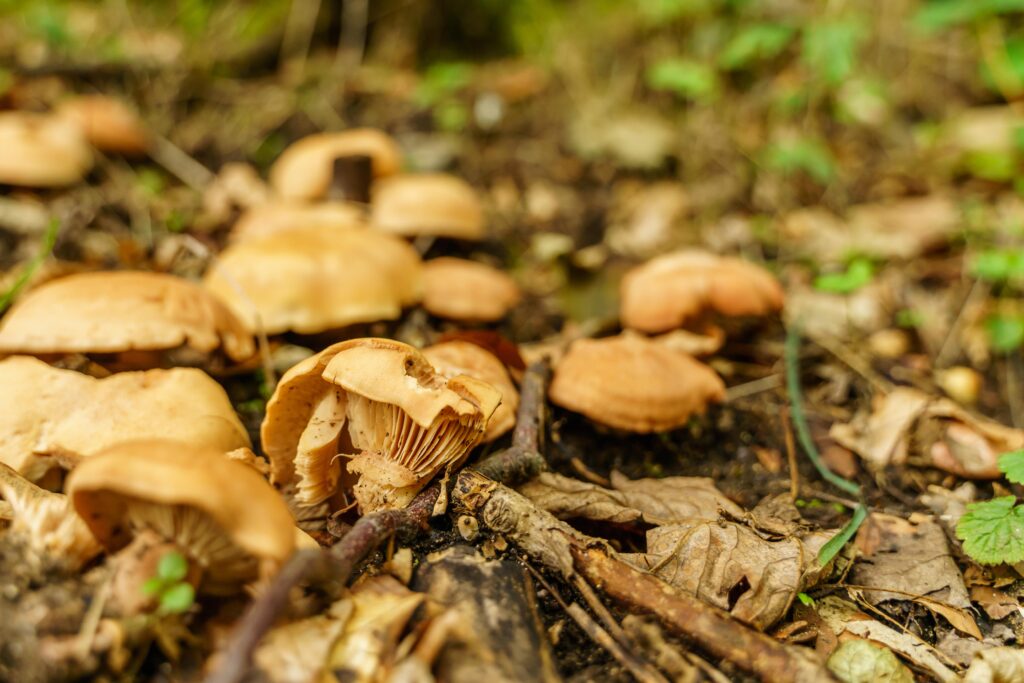
Fungi are among the most important organisms on Earth, yet they often receive far less attention than plants and animals. From forests and grasslands to wetlands and urban environments, fungi play a vital role in maintaining ecological balance and supporting life. Without fungi, ecosystems would struggle to recycle nutrients, support biodiversity, and maintain healthy soil conditions.
If you’re new to fungal science, visit our guide on What Is Mycology? to learn more about the scientific study of fungi.
What Makes Fungi Unique?
Fungi belong to their own biological kingdom and differ significantly from plants, animals, and bacteria. Unlike plants, fungi do not produce their own food through photosynthesis. Instead, they absorb nutrients from their surroundings by breaking down organic matter.
This ability makes fungi essential contributors to ecosystem health and sustainability.
Fungi and Nutrient Recycling
One of the most important functions of fungi is nutrient recycling. Ecosystems constantly generate organic waste through fallen leaves, dead trees, and decaying plant and animal material.
Without decomposers, this material would accumulate and valuable nutrients would remain locked away.
Breaking Down Organic Matter
Fungi release specialized enzymes that break down complex organic compounds into simpler nutrients. This process allows essential elements such as nitrogen, phosphorus, and carbon to be returned to the environment.
Returning Nutrients to the Soil
The nutrients released during decomposition become available for plants and other organisms. This continuous recycling process helps maintain healthy ecosystems and supports future growth.
To learn more about how fungi interact with ecosystems, read our article on Understanding Fungal Ecology and Its Role in Nature.
Supporting Soil Health
Healthy soil is the foundation of thriving ecosystems, and fungi play a critical role in maintaining soil quality.
Mycorrhizal Relationships
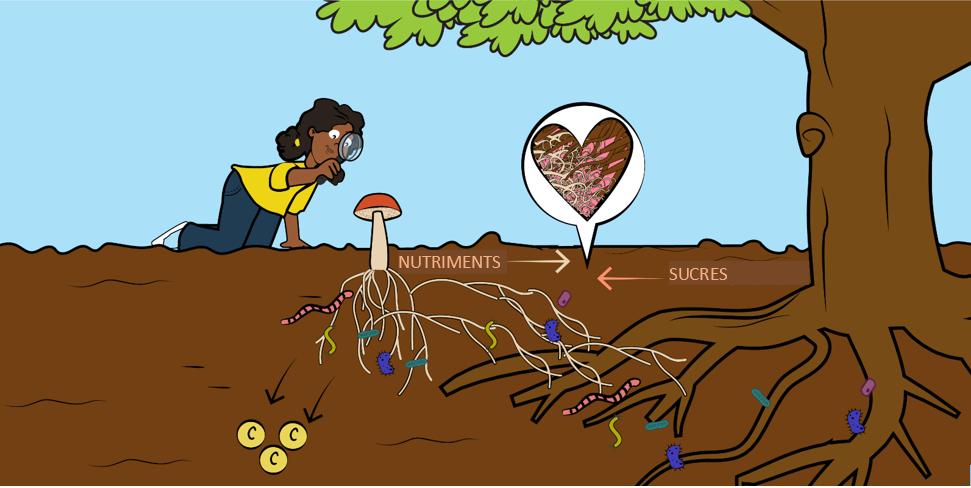
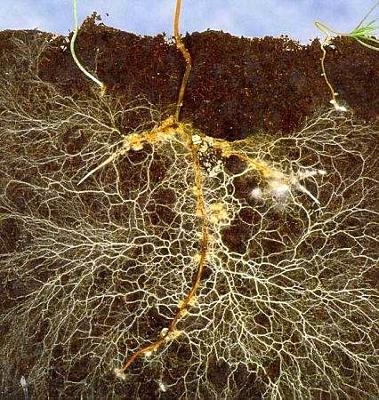
Many fungi form beneficial partnerships with plant roots through structures known as mycorrhizae. These relationships allow fungi and plants to exchange nutrients and resources.
Plants benefit from improved nutrient absorption, while fungi receive carbohydrates produced by photosynthesis.
Improving Plant Growth
Mycorrhizal fungi help plants access water and nutrients more efficiently, contributing to stronger growth and greater resilience in changing environmental conditions.
Fungi and Biodiversity
Fungi contribute significantly to biodiversity by supporting a wide variety of organisms. Numerous insects, mammals, birds, and microorganisms rely on fungi either directly or indirectly.
Fungal communities provide:
- Food sources for wildlife
- Habitats for microorganisms
- Nutrient recycling services
- Ecological stability
Healthy fungal populations often indicate healthy ecosystems.
Fungi as Environmental Indicators
Scientists frequently study fungi to better understand environmental conditions. Changes in fungal populations can provide valuable information about soil health, pollution levels, climate patterns, and ecosystem stability.
Because fungi respond quickly to environmental changes, they are often used in ecological monitoring and conservation research.
The Role of Fungi in Climate and Ecosystem Stability
Fungi contribute to carbon cycling and help regulate the movement of nutrients throughout ecosystems. By decomposing organic matter and supporting plant growth, fungi play an important role in maintaining environmental balance.
Researchers continue to explore how fungal communities influence climate resilience and ecosystem recovery.
Frequently Asked Questions
Why are fungi important in nature?
Fungi help decompose organic matter, recycle nutrients, support biodiversity, and maintain healthy ecosystems.
How do fungi help plants grow?
Many fungi form mycorrhizal relationships with plant roots, improving nutrient and water absorption.
What role do fungi play in biodiversity?
Fungi support numerous organisms by providing food sources, habitats, and ecological services.
Can ecosystems survive without fungi?
Ecosystems would struggle significantly without fungi because nutrient recycling and decomposition processes would be severely disrupted.
Conclusion
Fungi are essential to healthy ecosystems. Through nutrient recycling, decomposition, soil health improvement, biodiversity support, and environmental regulation, fungi contribute to nearly every aspect of ecological stability.
Understanding why fungi are important helps researchers, students, and nature enthusiasts appreciate the remarkable role these organisms play in sustaining life on Earth.
order products directly Shroom World and explore our Product Categories page
For more educational resources, visit: https://shroomworld.co.uk/ Product Categories: https://shroomworld.co.uk/product-categories/ What Is Mycology: https://shroomworld.co.uk/what-is-mycology/ Fungal Ecology: https://shroomworld.co.uk/understanding-fungal-ecology/ Life Cycle of Fungi: https://shroomworld.co.uk/life-cycle-of-fungi/ for additional information and learning opportunities.